
Adaptive Reuse
Architectural albatrosses.
The single buildings and sites that can hang around a community's neck – the shuttered campus, the vacant institution, the block that defines a neighborhood. We take them on.
Every city has a building everyone knows and no one will touch. The economics don't pencil, the politics are tangled, the history is heavy.
We call them architectural albatrosses. They hang around a community's neck, like a monument to better times. We believe the best of times are still in front of us, and we aim to prove it.
Site reimagination. Community partnership. Restored belief.
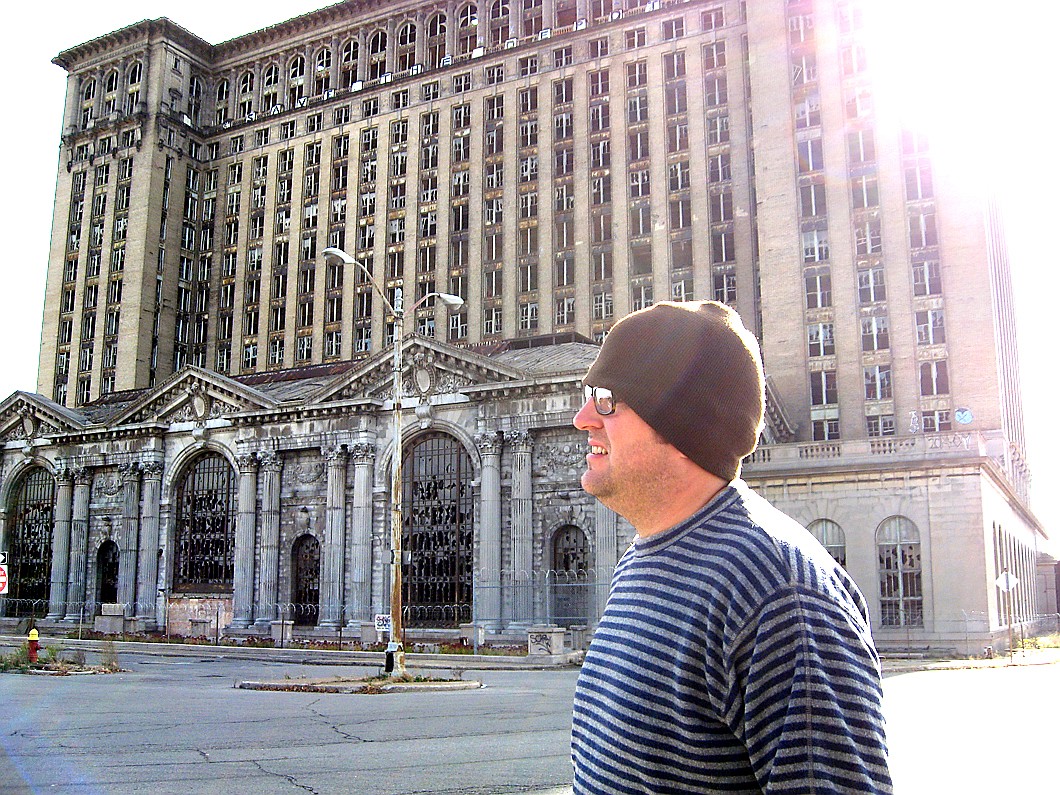
Michigan Central Station
- Partners
- Ford Motor Company, Civic
- Before
- An eighteen-story Beaux-Arts depot, vacant since 1988 – for thirty years, the most photographed ruin in America. The building everyone in Detroit knew, and no one would touch.
- The 2010 anchor
- In November 2010 – fourteen years before the station reopened – M|B|P partner Josh McManus led a "civic intervention" in Roosevelt Park, the forlorn strip of ground at the foot of the station that doubled as the city's most-photographed symbol of decay. Josh and a team from CreateHere (then his Chattanooga-based practice) convened residents, designers, and Corktown stakeholders to brand the park, plan installations, organize funding, and connect with the architects already drafting a master plan with the station as the dramatic backdrop. Out of that work came the early coalition – including Phil Cooley and the Roosevelt Park Conservancy – that would carry the site forward through skate-park fundraising, programming, and, eventually, Ford.
- Why it was hard
- Three decades of decay. No clear owner-of-conscience. Civic narrative locked in as a symbol of decline. Any redevelopment had to confront the building's place in the public imagination before it could touch a single brick.
- Role
- Long-arc engagement spanning early civic intervention, Ford's acquisition and reframing of the asset, and contributions to the $1.2B redevelopment as a living laboratory for the future of mobility.
- Outcome
- Reopened June 2024. The most photographed ruin in America became the most photographed comeback. A national signal that the hardest sites are not lost – they are waiting.
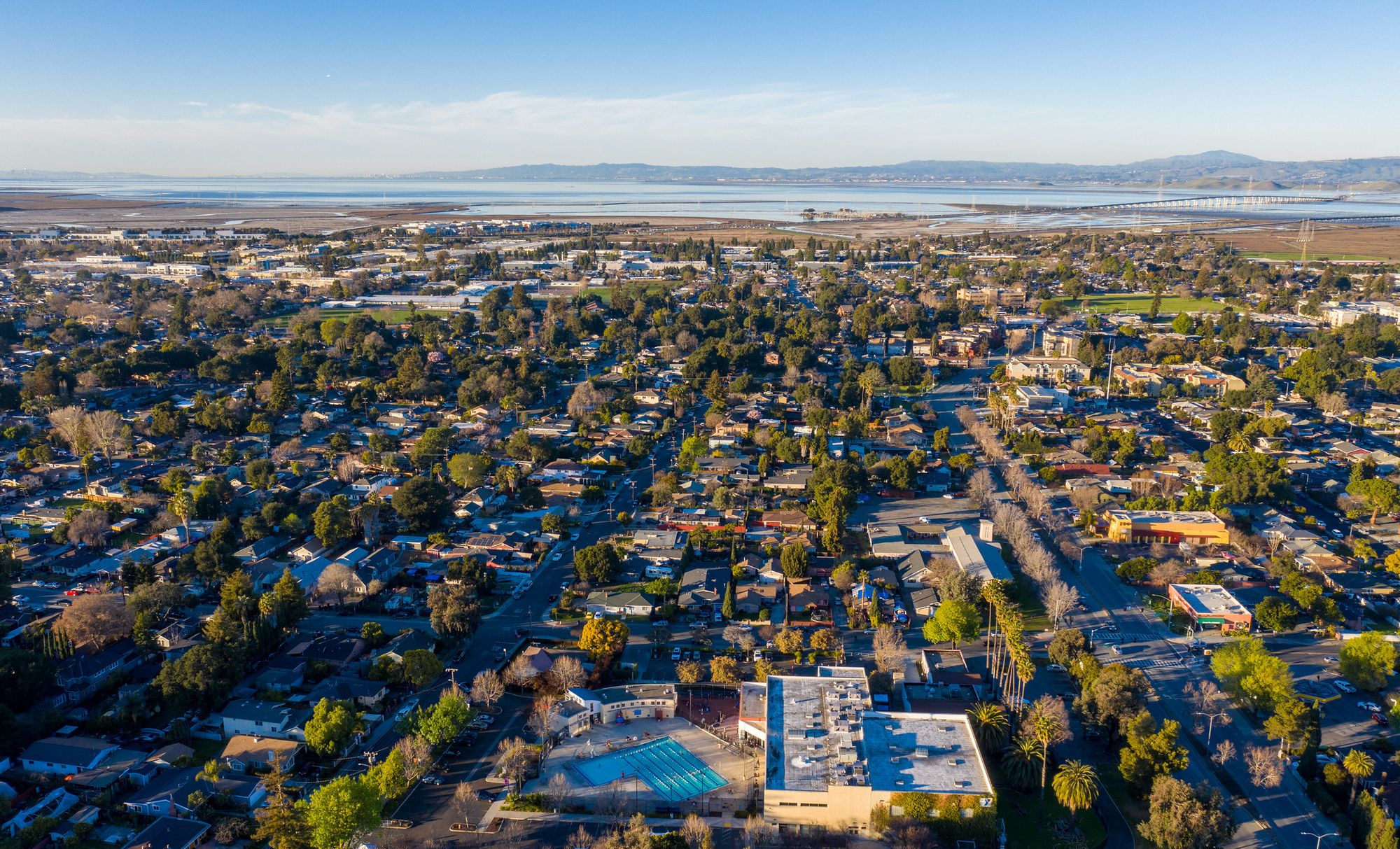
East Palo Alto Civic Commons
- Partners
- Private Family Office, City of East Palo Alto, San Mateo County
- Before
- Historically under-invested and surrounded by tech wealth, East Palo Alto faced high land costs, fragmented public facilities, and deep skepticism of outside promises.
- Why it was hard
- Very high land costs. Real displacement risk. Civic trust eroded by decades of outsider promises.
- Role
- M|B|P partnered with a mission-aligned family office and local leaders to shape the vision, math, and message for a unified Civic Commons on underused land in the Ravenswood Business District.
- Outcome
- A compelling, fundable Civic Commons plan: a 100k SF city hub and new public playfield, backed by a public-private capital framework and story that city and private partners could use to rally donors, agencies and the community.
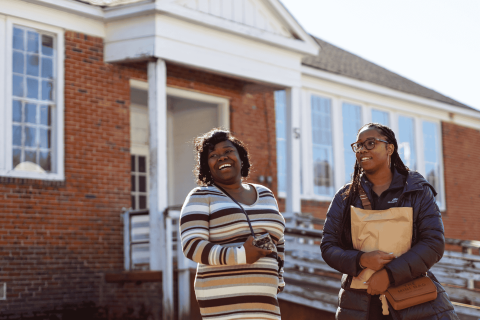
Ford Community Center for Economic Mobility
- Partners
- Ford Motor Company, United Way of West Tennessee, Civic
- Before
- Stanton, Tennessee – a rural town of fewer than 500 residents – selected as the site for BlueOval City, Ford's $5.6B EV and battery manufacturing complex.
- Why it was hard
- A town absorbing a mega-factory. Civic infrastructure had to scale faster than real estate typically allows. Decisions about workforce, housing and community retention had to land before a single truck arrived.
- Role
- Developed the Ford Community Center for Economic Mobility – the civic anchor intended to integrate BlueOval into Stanton over the long term.
- Outcome
- A modern hub for Stanton and surrounding West Tennessee communities. Anchored by United Way of West Tennessee and supported by state grants, historic preservation funding, and Ford Philanthropy, the project restores a former Rosenwald schoolhouse into a broadband-enabled community center tied directly to the arrival of BlueOval City. When it opens, the Center will serve as a "front door" for economic mobility – offering legal assistance, financial literacy, job placement, food and healthcare resources, cultural enrichment and other wraparound services designed with and for long-term residents. The result is a durable civic anchor that helps Stanton scale workforce, social services and community life on its own terms as the mega-factory comes online.
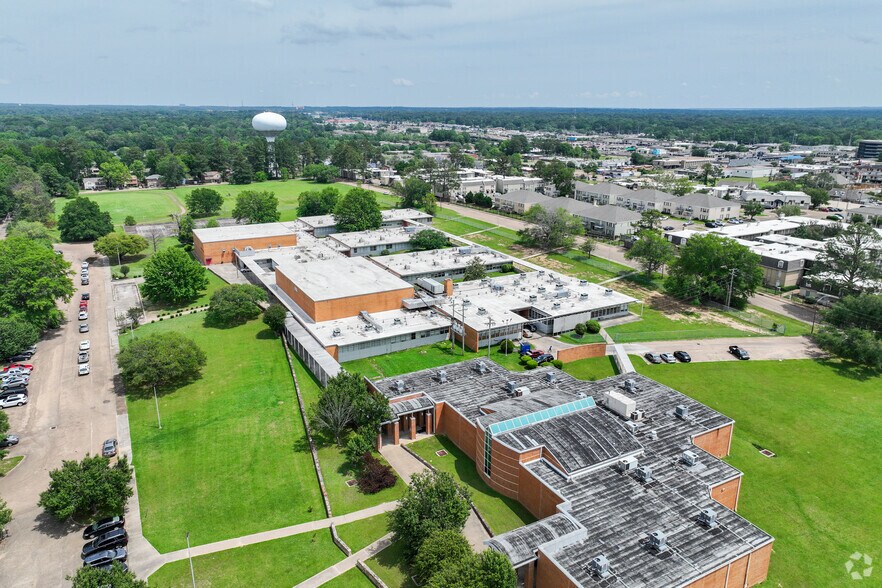
Chastain Campus
- Partner
- Redeemer Community Development
- Before
- A former public middle school campus in Jackson, made surplus by district enrollment decline, sits at a community crossroads.
- Why it was hard
- Turn a decommissioned school into a long-term, mission-driven campus that can help rebuild a neighborhood – not just house a school – within a city where civic investment and public trust have eroded over decades.
- Role
- Clarify the long-term vision, business model and site strategy so every dollar raised and every square foot built serves a coherent mission.
- Outcome
- A structured, time-bound planning sprint is underway.
Have a site?
If you own, control, or are pursuing a building that conventional developers have walked away from – or are about to – bring it to us.
Work with us